Learn Cryobiology
Build your understanding from freezing fundamentals to organ preservation.
Your own pace. A clear path.
Choose to remember completed lessons. No account required.
Foundations
Understand the relationship between living cells, water, and temperature.
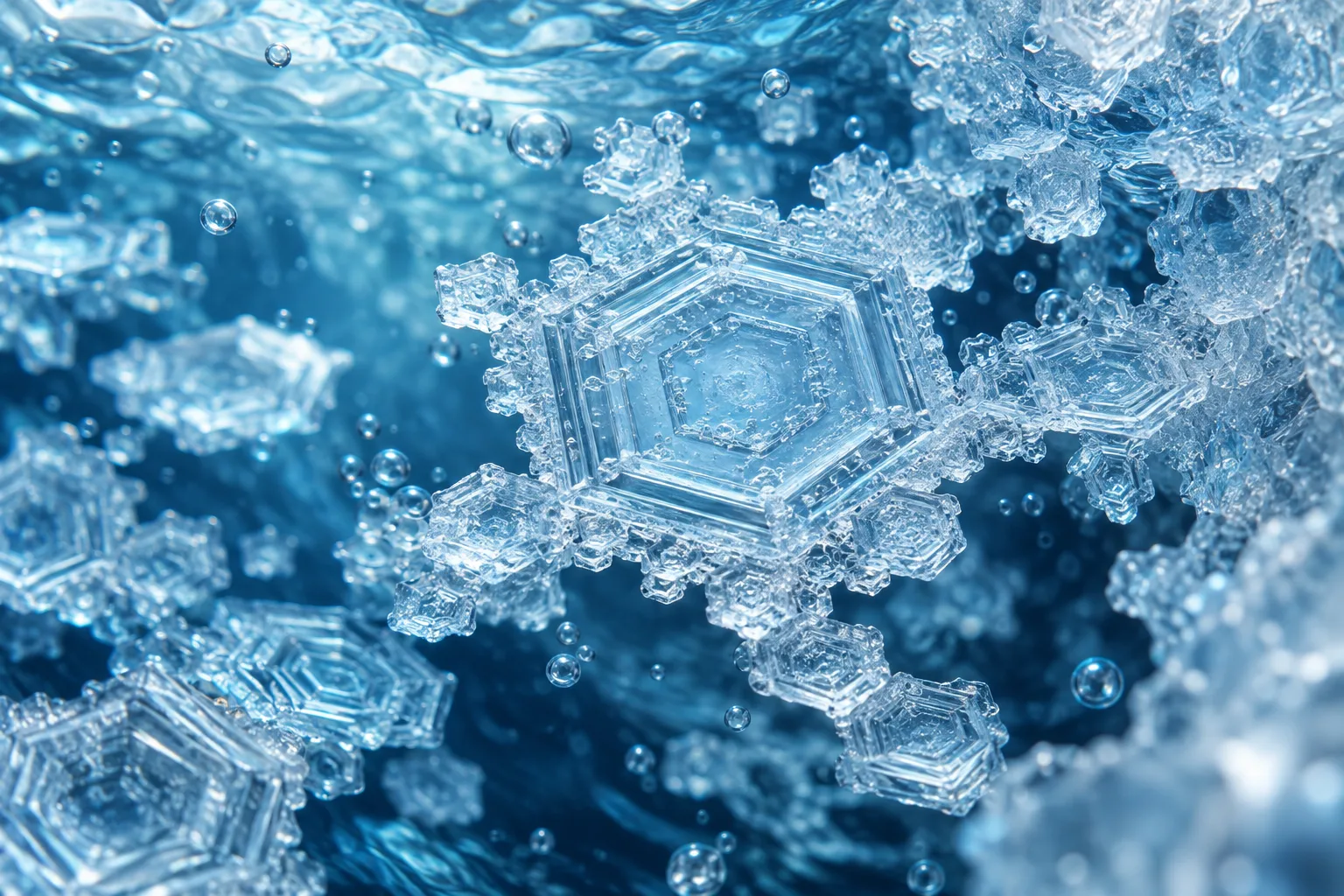
What Is Cryobiology?
Meet the science of life at low temperatures.
What Happens to Cells at Low Temperatures?
Follow a cell as molecular movement slows.
Why Ice Damages Cells
Ice changes more than the shape of water.
Ice Nucleation and Crystal Growth
Understand how the first ice crystal begins.
Osmosis and Cellular Dehydration
See why cells shrink as their surroundings freeze.
Cryopreservation
Discover the strategies that make preservation possible.
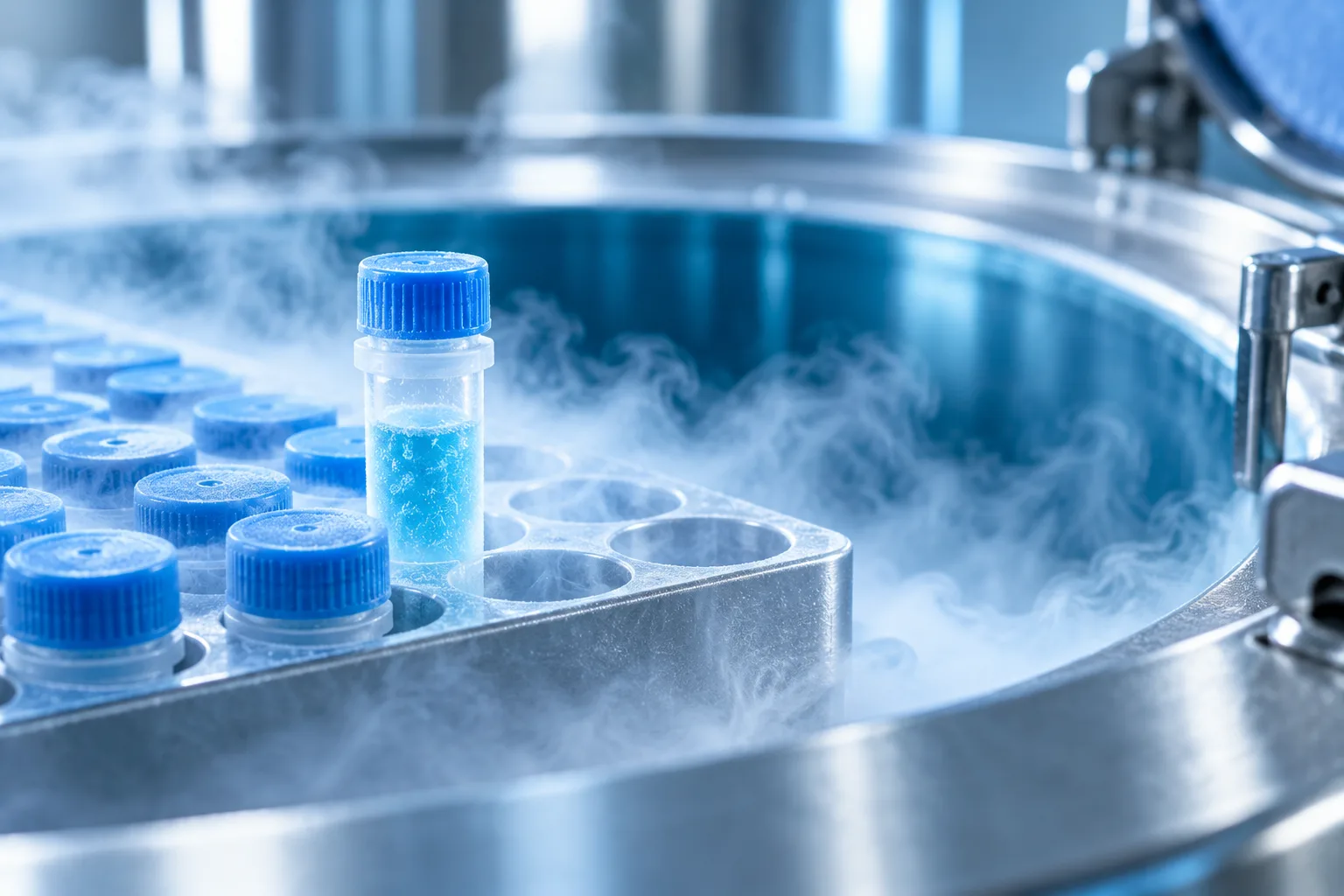
Cryoprotective Agents
How protective chemistry changes the freezing problem.
Controlled-Rate / Slow Freezing
Give water time to move without overexposing the cell.
Vitrification
Preserve a disordered solid instead of crystalline ice.
Rewarming and Devitrification
Why coming back from the cold is just as important.
Measuring Post-Thaw Survival
Look beyond the number of cells that appear alive.
What can we preserve?
Connect the fundamentals to cells, tissues, and organs.
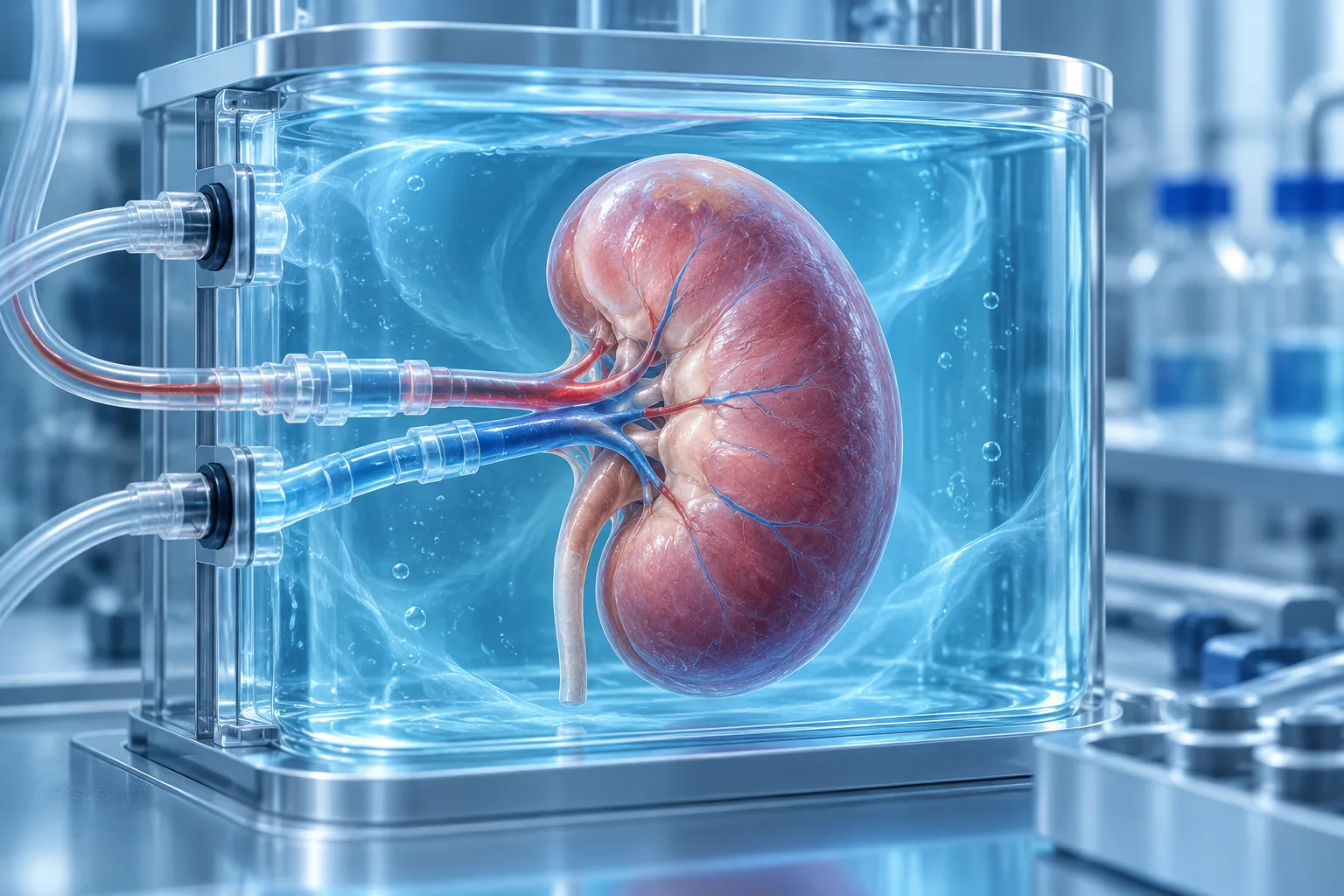
Cryopreservation of Cells
Start with the smallest units of life.
Cryopreservation of Tissues
Protect connections as well as individual cells.
Organ Preservation
Why an organ is so much harder than a vial of cells.
Reproductive Cryobiology
Preserving reproductive cells and embryos.
Future Directions in Cryobiology
Ask better questions about what comes next.